The Complete Guide to Roof Maintenance: Advice From Roofing Professionals
Rooftop upkeep is frequently neglected yet essential for maintaining a home's structural soundness. Neglect can lead to serious issues, including leaks and structural damage. This guide provides essential insights from roofing experts. It covers inspection techniques, common problems, and seasonal care practices. Homeowners will find practical advice on DIY maintenance and know when to seek professional help. Understanding these elements can prevent costly repairs, but what specific steps should be taken first?
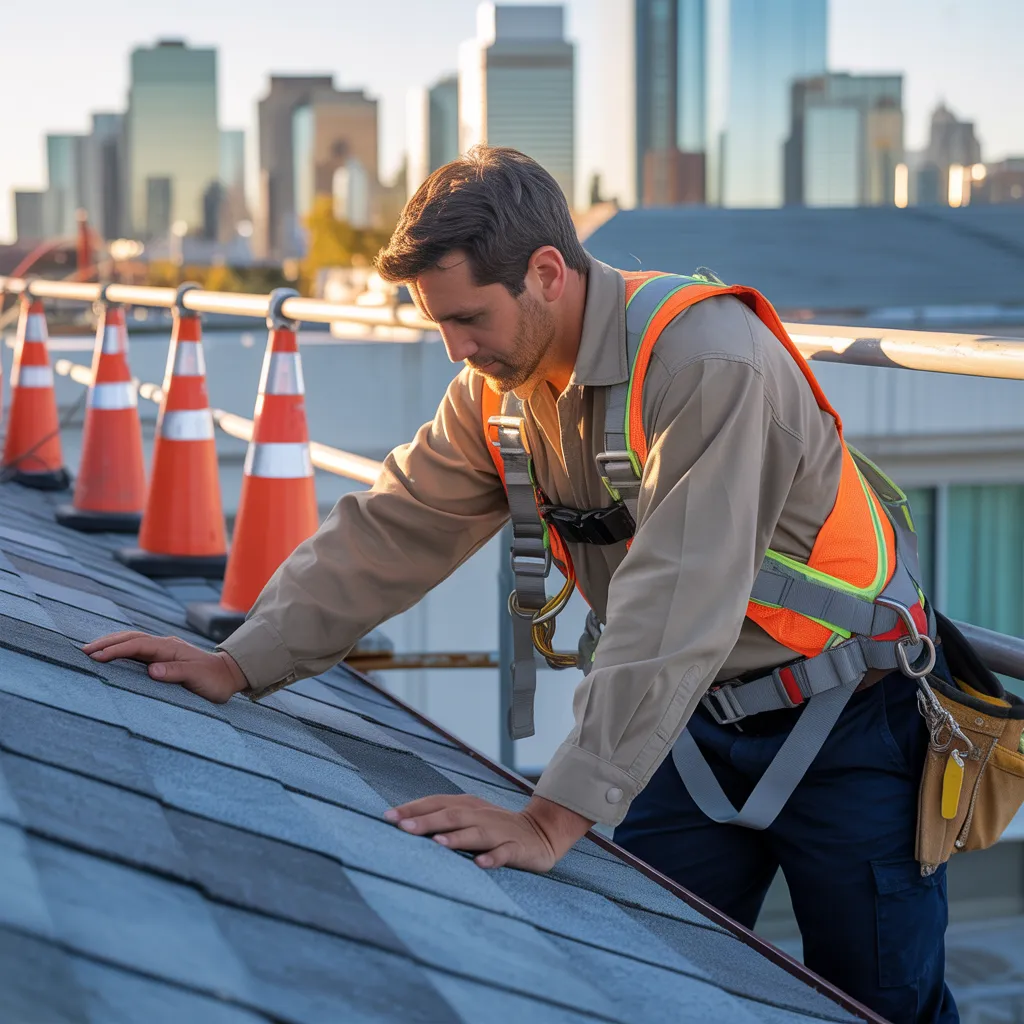
Grasping the Value of Roof Maintenance
Frequently underestimated, the significance of roof maintenance should not be underestimated. A well-maintained roof is crucial for protecting a home from the elements, preserving the structural integrity of the property and extending its service life. Routine upkeep helps identify potential issues before they escalate into costly repairs, protecting both the property and those living in it.
Ignoring proper roof maintenance can lead to water damage, mold development, and compromised insulation, ultimately impacting energy efficiency and indoor air quality. Furthermore, a damaged roof can lower property value, complicating future property sales. Routine seasonal checkups and swift repairs can help prevent these issues, offering property owners greater reassurance.
Important Roof Inspection Guidelines for Home Owners
Routine roof inspections are vital for preserving the structural integrity of a home. Homeowners are advised to perform inspections a minimum of twice annually, preferably in spring and fall, to evaluate their roof's state. It is essential to inspect for debris collection, which can hold moisture and foster mold formation. Additionally, homeowners should look for damaged or missing shingles, as these can lead to leaks.
Utilizing binoculars from street level makes it easier to detect potential issues without climbing onto the roof. Inspecting gutters for clogs is equally essential, as obstructed gutters can cause water to back up and damage roofing materials. Observing any unusual granule loss from shingles is another significant aspect, as this may indicate wear and tear. Lastly, homeowners should document their findings for later review, guaranteeing they remain aware of their roof's condition and resolve any concerns in a timely manner.
Understanding Common Roof Issues
Detecting frequent roofing concerns is crucial for maintaining the integrity of a home. Homeowners should be vigilant for evidence of leaks and water infiltration, as well as missing or damaged shingles, which can compromise the roof's effectiveness. Furthermore, the appearance of moss and algae can indicate underlying issues that need to be addressed promptly.
Leaks and Water Damage
How can homeowners successfully detect leaks and water damage before they turn into significant concerns? Consistent inspections are critical. Homeowners are advised to examine water stains on ceilings and walls, as they commonly signal underlying leaks. Additionally, damp spots in the attic or around vents can signal moisture intrusion. It is essential to assess the roof during and after periods of heavy rain, checking for accumulated water or leaking. Homeowners should also inspect gutters and downspouts, ensuring they are clear to avoid overflow. Within the home, stale or musty smells may indicate mold development, a result of extended moisture exposure. By responding to these warning signs in a timely manner, homeowners can steer clear of costly repairs and copyright the structural integrity of their roofs. Consistent maintenance is fundamental for sustained, long-term protection.
Lost or Deteriorated Shingles
A common cause of water damage involves missing or damaged shingles, which compromise the roof's protective barrier. It is important for homeowners to periodically check their roofs for evidence of shingle degradation, such as bending, fracturing, or shedding of granules. These conditions can stem from wear over time, extreme weather conditions, or incorrect installation. Should shingles be missing, the base material is left unprotected, increasing the risk of leaks and further damage. It is advisable to address these problems promptly to copyright the roof's protective function. New shingles ought to correspond with the current ones to ensure consistency and performance. Consistent maintenance, including gutter cleaning and debris removal, can also aid in preventing shingle wear and maximizing the roof's longevity.
Moss and Algae Growth
Moss and algae development can quietly compromise a roof's structural integrity, leading to significant problems if left unchecked. These organisms thrive in damp, shaded areas and are capable of retaining moisture against roofing surfaces. With time, this process can cause wood rot, compromised shingles, and water infiltration. Homeowners are advised to periodically check their roofs, especially in darker zones, to spot the early stages of growth. Taking preventive steps, like pruning overhanging branches and providing sufficient roof ventilation, can lower the risk of moss and algae growth. When dealing with existing growth, specialized treatments or professional assistance may be needed to rehabilitate the roof's state. Dealing with moss and algae without delay supports the roof's durability and contributes to the home's long-term value.
Seasonal Tips for Roof Maintenance
As seasonal shifts occur, property owners need to prioritize roof care to guarantee lasting performance and reliability. As spring arrives, it is essential to check for winter storm damage and remove any accumulated debris. This includes checking gutters and downspouts to verify that drainage is functioning correctly.
Summer months generate significant heat, so checking for cracks and assessing ventilation is essential to stop heat from building up. In autumn, property owners need to get ready for leaf fall by washing out gutters and looking for any likely clogs.
Lastly, winter requires a detailed check for ice dams and confirming that insulation is sufficient to avoid heat loss. Regular checks throughout the year will aid in spotting concerns promptly, lowering the likelihood of significant repair expenses. By adhering to these seasonal guidelines, residents can copyright the structural soundness of their roofing and prolong their durability.
DIY Roof Maintenance: Safe Practices and Tools
Maintaining a roof can be a worthwhile DIY task when approached with the right tools and safety precautions. Home occupants should first prepare themselves with necessary gear, including a reliable ladder, grip-soled shoes, and a safety harness. This ensures balance and reduces the likelihood of falls while working at heights.
Prior to starting any upkeep work, a thorough inspection is important. This includes checking for damaged shingles, accumulated debris, and any evidence of damage. Equipment such as a roof rake, soft-bristle brush, and caulk gun are useful for removing debris and filling gaps.
In addition, collaborating with a companion can improve workplace safety; one person can attend to the maintenance while the other remains vigilant for any threats. To conclude, it is important to keep track of changing weather patterns, postponing maintenance when rain or high winds are present. By following these safety guidelines, homeowners can effectively maintain their roofs while minimizing risks.
Indicators That You Should Hire a Professional Roofer?
How does a homeowner know when it is time to hire a professional roofer? Several signs indicate that professional expertise is required. To begin with, noticeable damage including missing shingles, leaks, or sagging sections can undermine the roof's structural integrity. It is also important for homeowners to watch for water stains on ceilings or walls, as these can point to deeper underlying problems. Additionally, if the roof is older than 20 years, it may be time for a thorough evaluation by a professional.
Another critical indicator is the development of mold or moss growth, which can result in additional deterioration if not addressed. Additionally, if a homeowner lacks confidence in performing repairs safely or does not have the required equipment, seeking a professional is advisable. Identifying these indicators promptly can avoid further deterioration and costly repairs in the future, preserving the lifespan of the roof and the security of the household.
Budgeting Tips for Roof Maintenance and Repairs
Smart financial planning for roof upkeep and repairs is critical for homeowners looking to protect their investment. Reserving a find guide set percentage of a home's value each year—typically 1-3%—helps build a steady fund for unanticipated concerns. Scheduled inspections can uncover minor concerns at an early stage, commonly helping to avert significant repair costs in the future. Property owners should take seasonal conditions into account, since specific climates may demand more regular upkeep.
Moreover, developing a structured list of possible repair needs allows for effective fund allocation. Homeowners should secure various bids from qualified roofing specialists to learn about current pricing for different roofing services. It is also important to consider the overall age of their roofing system; aging roofs often require more regular maintenance. To conclude, establishing an emergency fund for immediate repairs ensures that roofing issues can be handled in a timely manner, avoiding additional damage and protecting the overall structure of the home. Careful financial management can considerably ease financial worry and strengthen a homeowner's overall peace of mind.
Questions Our Clients Often Ask
How Frequently Should I Arrange Professional Roof Inspections?
Industry specialists advise having your roof inspected a minimum of two times annually, preferably during the spring and autumn months. This proactive approach enables the timely discovery of developing concerns, ensuring the roof remains in good condition while extending its overall longevity.
What Materials Should You Use for Roof Repairs?
Metal sheets, asphalt shingles, and rubber membranes are regarded as the top materials for roof repairs. Each offers durability and weather resistance, providing reliable restoration and extended longevity, depending on the specific roofing needs and environmental conditions.
Can My Roof Be Painted?
Yes, roofs can be painted, but it's crucial to use suitable coating designed for the material. Proper surface preparation and adherence to the manufacturer's instructions provide long-lasting effectiveness in maintaining the roof's structural integrity.
How Do Weather Conditions Affect Roof Maintenance?
Weather plays a significant role in roof upkeep. Abundant precipitation may result in water leaks, while prolonged sun exposure may break down roofing components. Heavy snow loads present serious structural dangers, making periodic inspections and swift repairs essential to guarantee longevity and functionality of the roof.
What Types of Warranties Are Offered for Roofing Materials?
Various warranties for roofing materials cover warranties from manufacturers, which commonly protect against manufacturing defects, and workmanship warranties, ensuring quality installation. Duration and coverage differ based on material type, typically spanning two decades to a lifetime, subject to specific conditions.